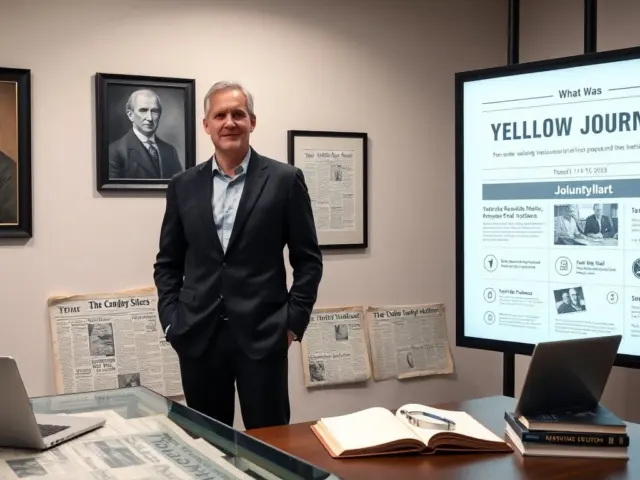

The newspaper article format guides how writers arrange facts and quotes. The format helps readers find the main point fast. This guide explains standard parts, common structures, and clear tips. It shows examples that editors use. The guide uses simple terms and short sentences. It aims to help reporters, students, and web writers apply the format accurately.
Key Takeaways
- The newspaper article format organizes facts and quotes to help readers quickly grasp the main point and build trust.
- Core components include a clear headline, byline, lead, nutgraf, body, quotes, and attribution, each serving a specific function to guide reader attention.
- The headline, deck, and byline are positioned at the top for immediate focus, using active verbs and plain language to ensure clarity.
- Common structures like the inverted pyramid, narrative, and Q&A formats allow writers to choose the best approach depending on the story type and audience needs.
- Effective use of short, precise sentences with active voice and simple attribution enhances journalistic clarity and reader engagement when following the newspaper article format.
What Is a Newspaper Article Format and Why It Matters
A newspaper article format is a set of rules for presenting news. The format shows what readers need first. Editors use the format to set priorities. Reporters use it to order facts and quotes. Publishers use it to keep layout consistent. The format speeds reader comprehension and builds trust. The newspaper article format links a clear headline, a strong lead, and evidence in the body. The format also supports search and archive systems for later retrieval.
Beyond editorial tradition, the format responds to reader behavior: many skim headlines and leads before deciding to read further. For digital platforms the same concepts still apply, but writers must also account for search headings, metadata, and scannable on-screen layout. Understanding the format helps writers adapt content for print, web, and mobile without losing the story’s core.
Core Components of a Newspaper Article
Editors expect a predictable set of elements in news copy. Writers must include a headline, byline, lead, nutgraf, body, quotes, and attribution. Designers place these elements to guide eye movement. Each element has a function. The headline draws attention. The lead delivers the main fact. The body adds detail and context. Quotes add voice. Attribution shows sources. The newspaper article format keeps these parts distinct so readers can scan and then read.
Each component can be adapted to the story type. A strong lead for breaking news will be concise and fact-heavy; a feature lead may be anecdotal. The nutgraf — a short paragraph that explains why the story matters — bridges the lead and the deeper reporting, telling readers what the piece will cover and why they should care. Proper attributions, datelines and context prevent ambiguity and protect credibility.
Headline, Deck, and Byline: Crafting the Top of the Page
A clear headline states the story focus in a few words. The headline uses active verbs and plain nouns. The deck gives a one-line boost when the headline needs support. The deck adds a quick fact or a time frame. The byline names the reporter and the dateline names the place and date. The top package must match the tone of the news. Editors test headlines for clarity and accuracy. Writers avoid puns that obscure the main point. The newspaper article format places the headline, deck, and byline at the top for instant grasp.
Practical tips: keep the headline under a length that fits the design column, favor clarity over cleverness, and ensure the deck complements rather than repeats the headline. For digital stories, craft a search-friendly headline and a separate social-media-friendly variant when possible. The byline can also include contributor roles, such as photographer or data reporter, when relevant.
Common Structure Variants: Inverted Pyramid, Narrative, and Q&A
The inverted pyramid places the main fact first and narrows down. Editors prefer this for breaking news and short print space. The narrative form follows a sequence and uses scenes and detail. Writers use narrative for long features and human stories. The Q&A structure records an interview question and answer line by line. Journalists use Q&A for clarity when the subject speaks at length. Reporters pick the structure that fits the information and the reader need. The newspaper article format supports each variant with clear labeling.
How to choose: use the inverted pyramid when readers need the facts quickly and editors may cut copy from the bottom; choose narrative when character, setting and chronological development reveal meaning; use Q&A for personality-driven pieces or when the subject’s exact words are central. Many stories combine elements — a narrative lead followed by an inverted pyramid body, for example — so be deliberate about transitions and signaling subheads.
Practical Writing and Formatting Tips for Journalistic Clarity
Keep sentences short and precise. Use active verbs and specific nouns. Avoid jargon and long modifiers. Use one idea per sentence when possible. Place the most important fact in the first paragraph. Use quoted material sparingly and for impact. Verify names, dates, and figures before publication. Use simple attribution like “said” for most quotes. Follow house style for numbers, titles, and datelines. Use subheads and bullets online to break long sections. The newspaper article format improves reading speed and trust when writers follow these rules.
More detail on technique: vary sentence length to maintain rhythm but keep paragraphs short for readability. Use transitions that orient the reader (e.g., “by contrast,” “meanwhile,” “according to”). When including multiple sources, attribute clearly each time to avoid confusion. For digital stories, include captions, pull quotes, and links to primary documents; for print, consider where images and cutlines will sit relative to the text.
Common pitfalls to avoid: burying the main point in the middle of a long opening; overusing passive voice; relying on anonymous sources without clear justification; and failing to provide local or historical context that readers need to understand why a story matters now. A quick checklist before sending copy: headline accuracy, lead clarity, nutgraf presence, correct attributions, and a final fact-check of figures and spellings.